WE DON'T START WITH THE EXERCISE. WE START WITH YOU.
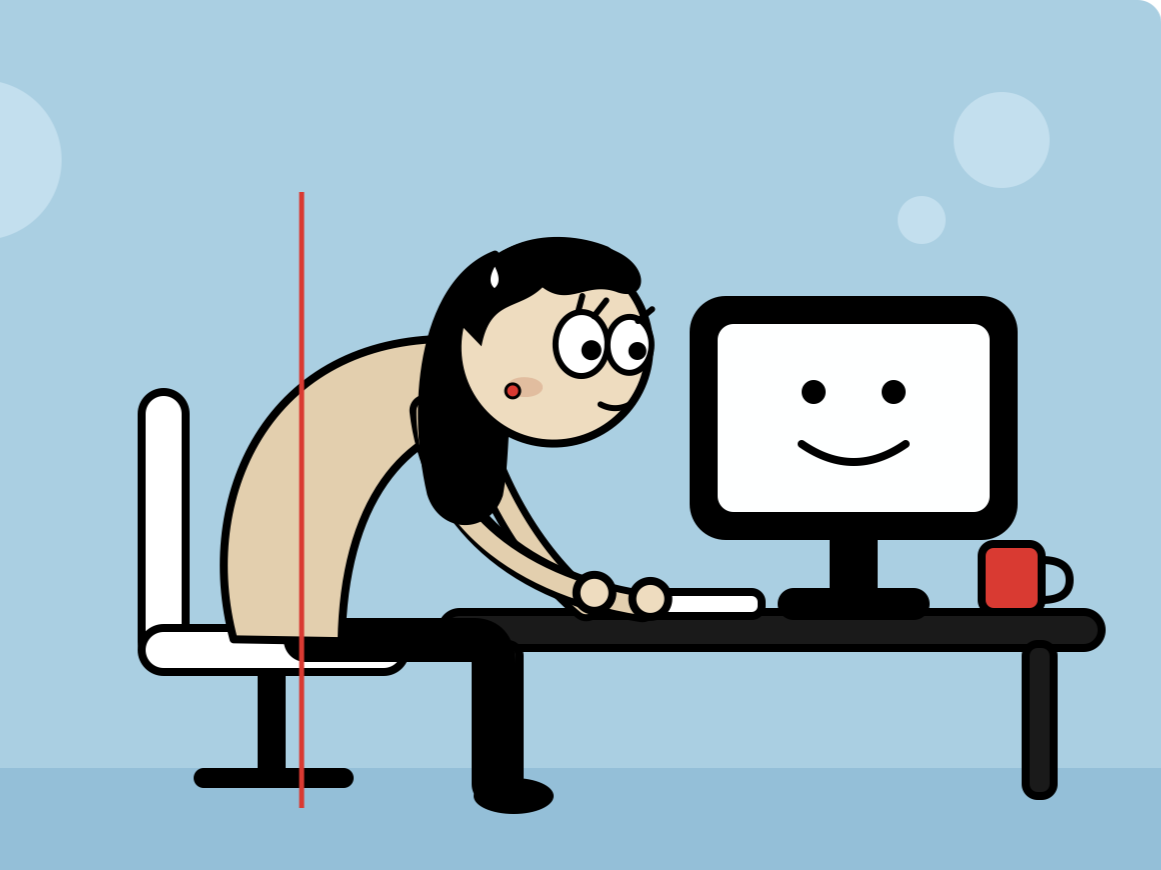
Pilates gives us the exercises.
Your body tells us how to use them.
Every person comes to Pilates with a different combination of strength, mobility, movement habits, restrictions and goals.
So we don't simply put everyone through the same exercises in the same way.
We watch. We listen. We teach. We adapt.
THE EXERCISE IS THE TOOL. YOU ARE THE FOCUS.
START WITH THE PERSON
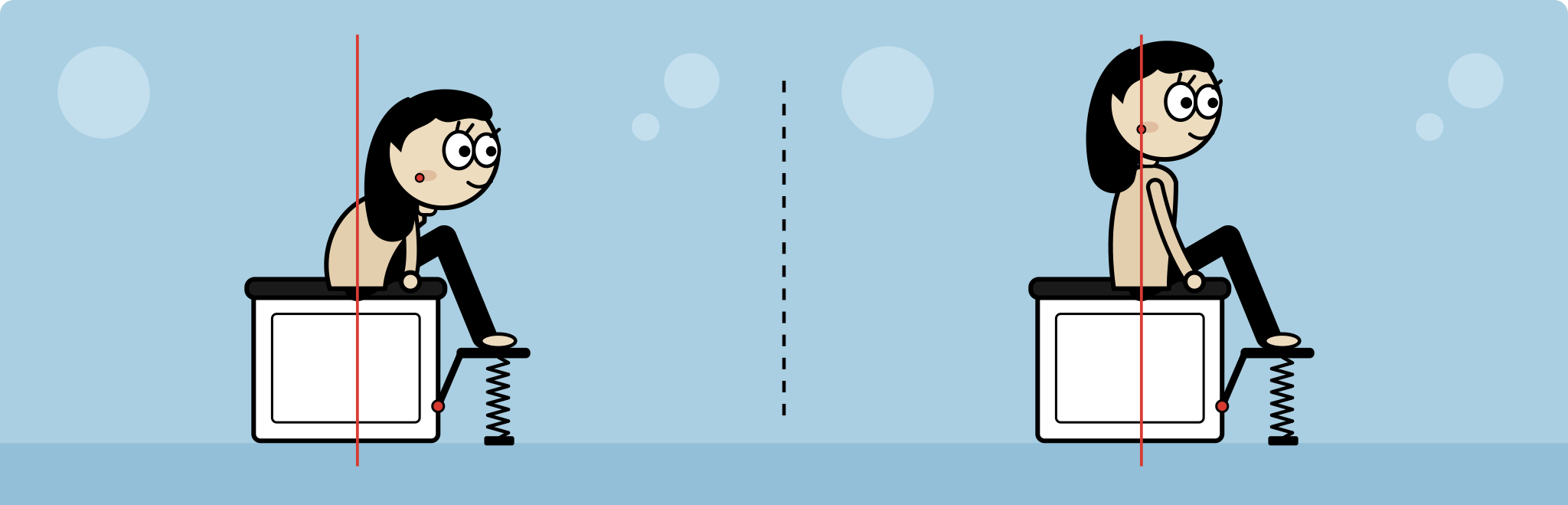
Two people can perform the same exercise and need completely different things from it.
One person may need more support.
Another may need less resistance.
Someone may need to find more movement before asking for more strength.
Someone else may be ready to challenge what they've already built.
The goal doesn't change.
The person determines how we use the exercise.
We might change:
POSITION. RESISTANCE. RANGE. SUPPORT. ANGLE. LEVEL OF DEMAND.
DON'T FORCE THE PERSON INTO THE EXERCISE. ADAPT THE EXERCISE TO BUILD THE PERSON.
FIND SUPPORT
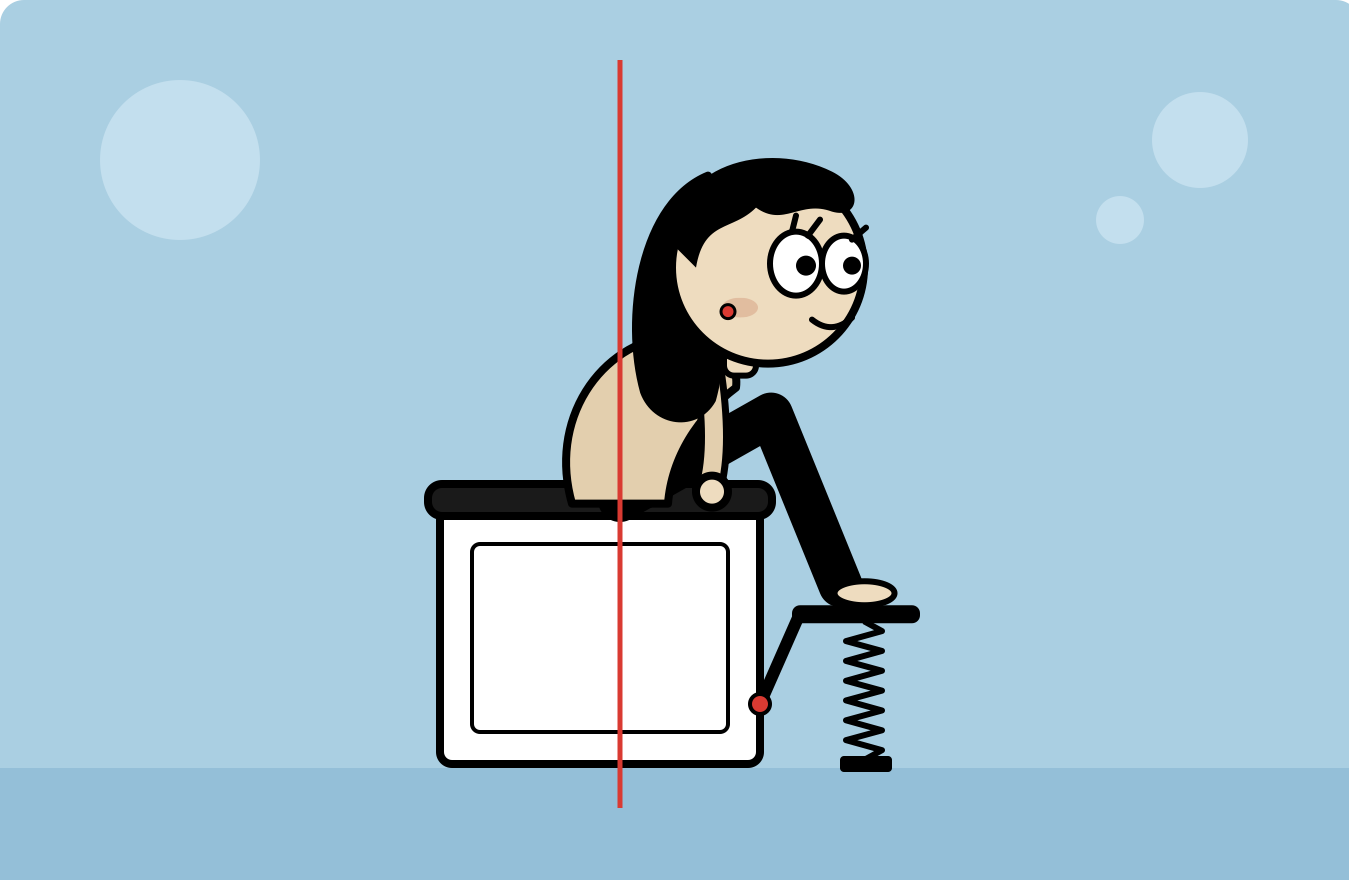
BREATHE. CONNECT. MOVE.
Before asking the body to do more, we help you find the support you need to move.
Breathing can help you connect with the muscles that support you and become more aware of what is happening through your pelvis, abdomen and ribcage.
Sometimes that means using the Reformer, a spring or another form of support to help you find the movement.
Then, as your body becomes stronger and more capable, we gradually ask you to do more on your own.
SUPPORT IS THE STARTING POINT — NOT THE DESTINATION.
WHEN MOVEMENT STOPS, WE PAY ATTENTION.
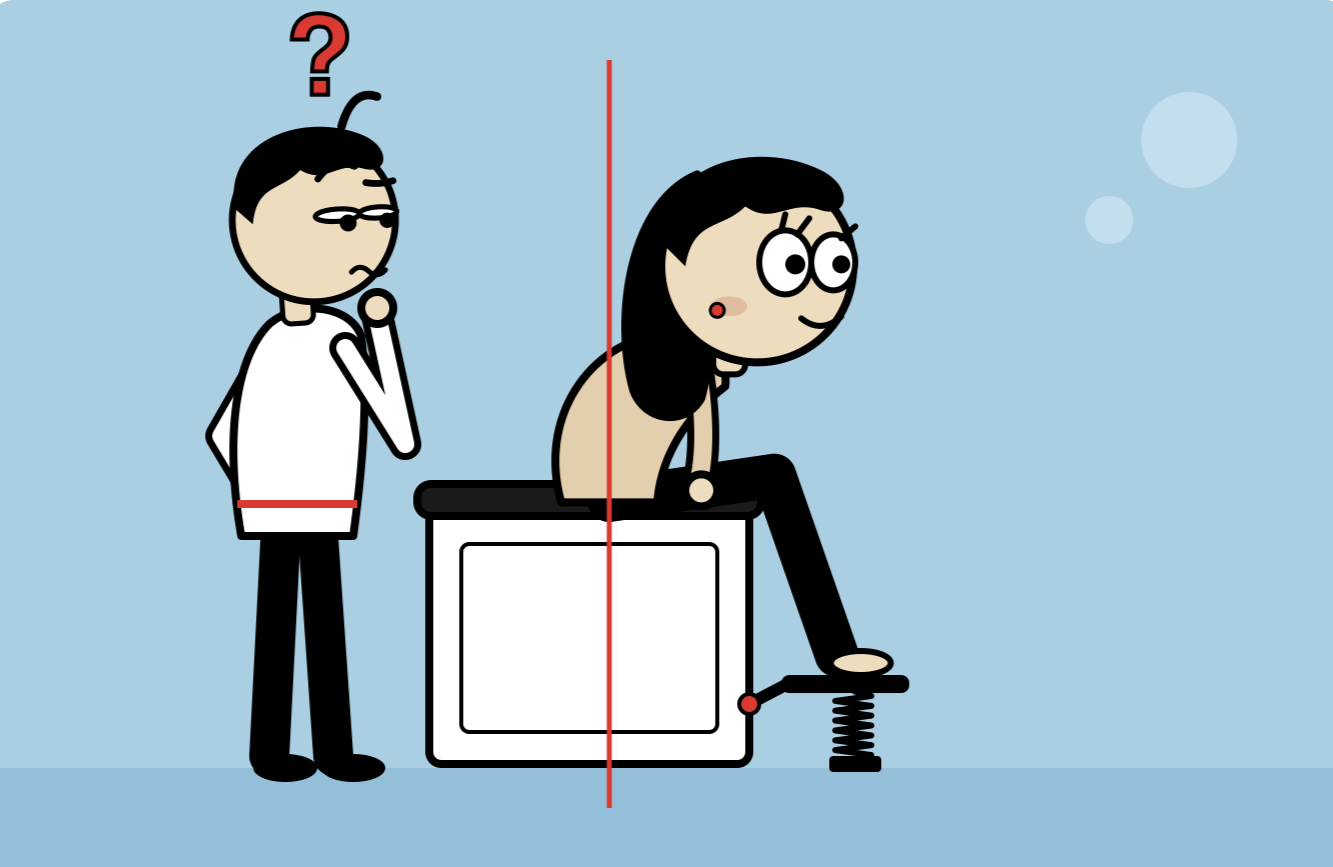
Sometimes a movement feels restricted.
Sometimes one side moves differently.
Sometimes another part of the body starts doing more than it should.
Sometimes you simply can't go any further without changing something.
We don't automatically push through it.
We stop. We breathe. We pay attention.
That information helps us understand what the body may need next.
MOVEMENT COMPLETION IS NOT THE SAME AS MOVEMENT CAPABILITY.
WE DON'T CHASE RANGE.
WE BUILD IT.
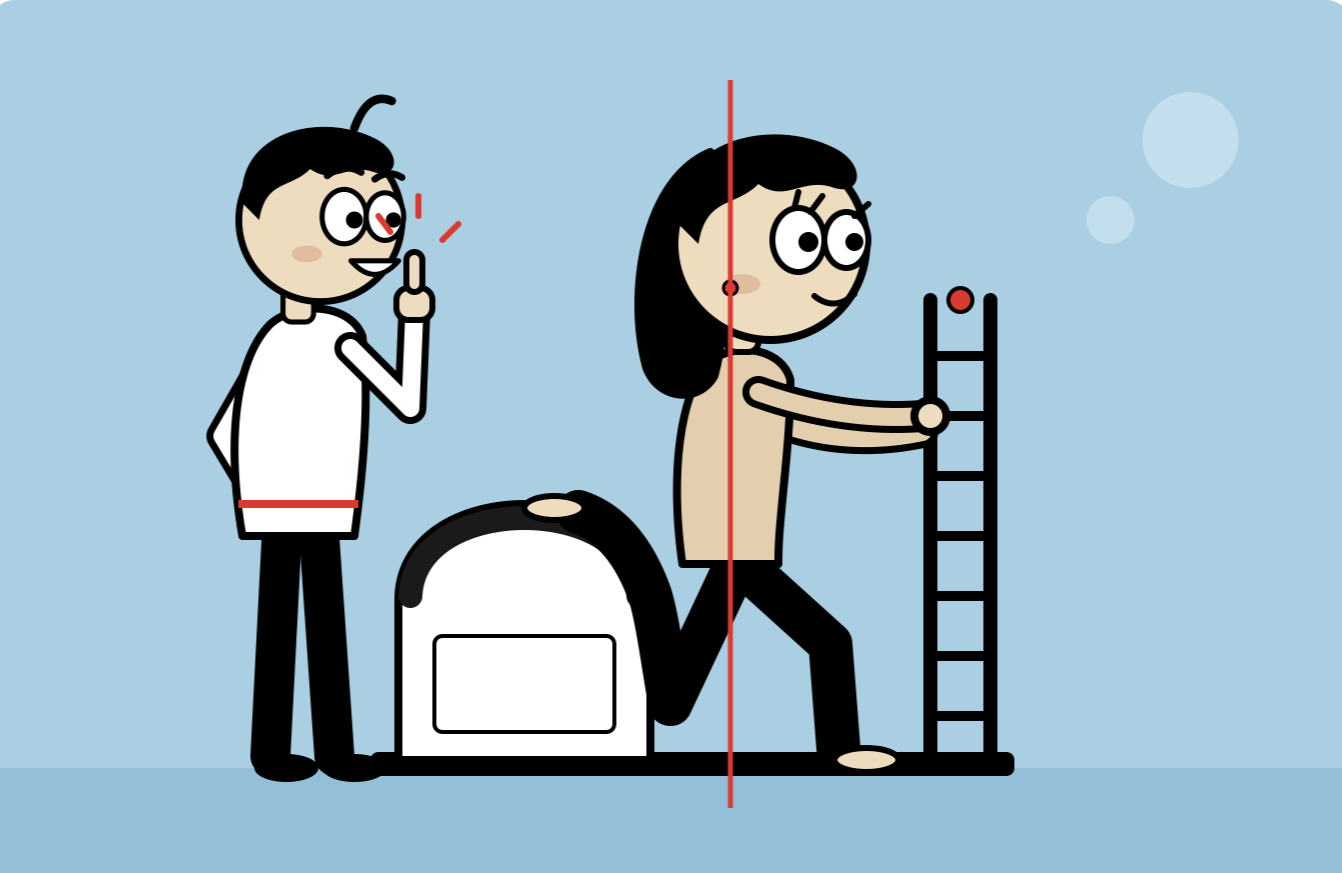
More movement isn't automatically better.
What matters is having movement you can actually use.
If a restriction is limiting movement, we work with what is there.
We may need to create more freedom. We may need to build more strength. We may need to improve control.
Often, we need some combination of all three.
And we don't assume the body needs the same thing forever.
REPEAT WHAT THE BODY STILL NEEDS.
Then, when something changes, we ask for more.
PROGRESS IS PERSONAL
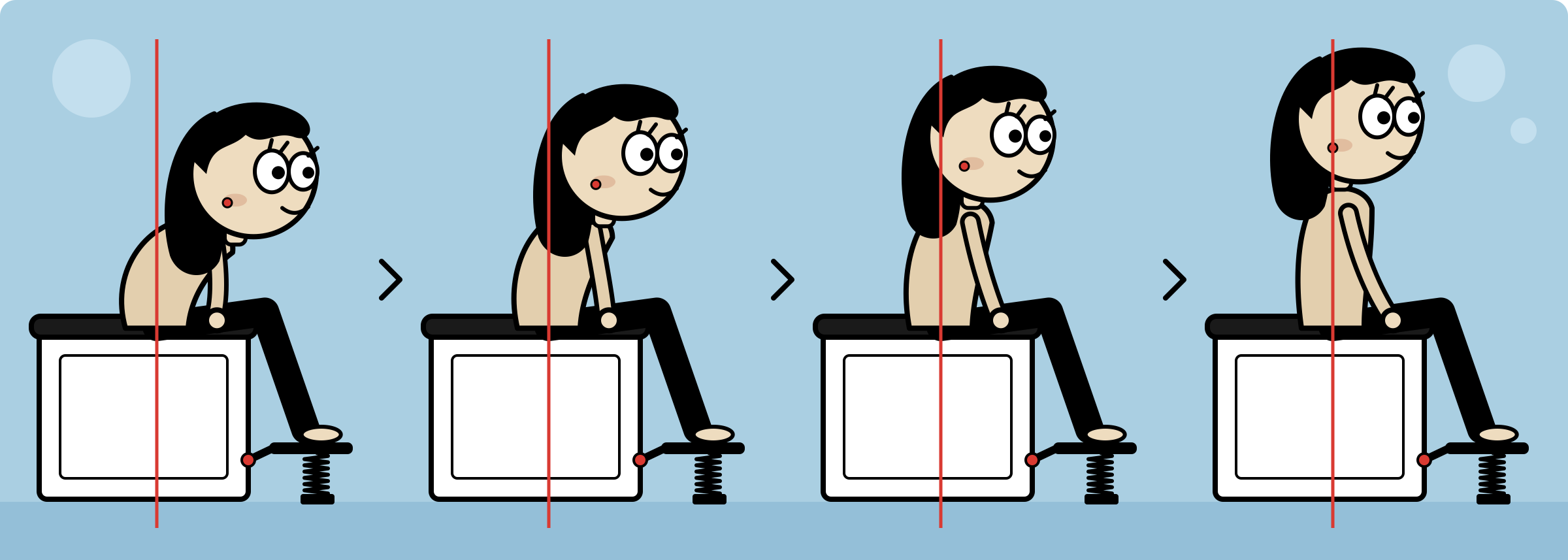
Progress doesn't always mean doing a harder exercise.
It might mean:
moving with greater freedom
becoming stronger
needing less support
understanding your body better
returning to an activity you enjoy
maintaining the abilities you've worked hard to develop
PROGRESS ISN'T ALWAYS DOING MORE.
Sometimes it's being able to do something that wasn't possible before.
THE REFORMER IS THE LABORATORY
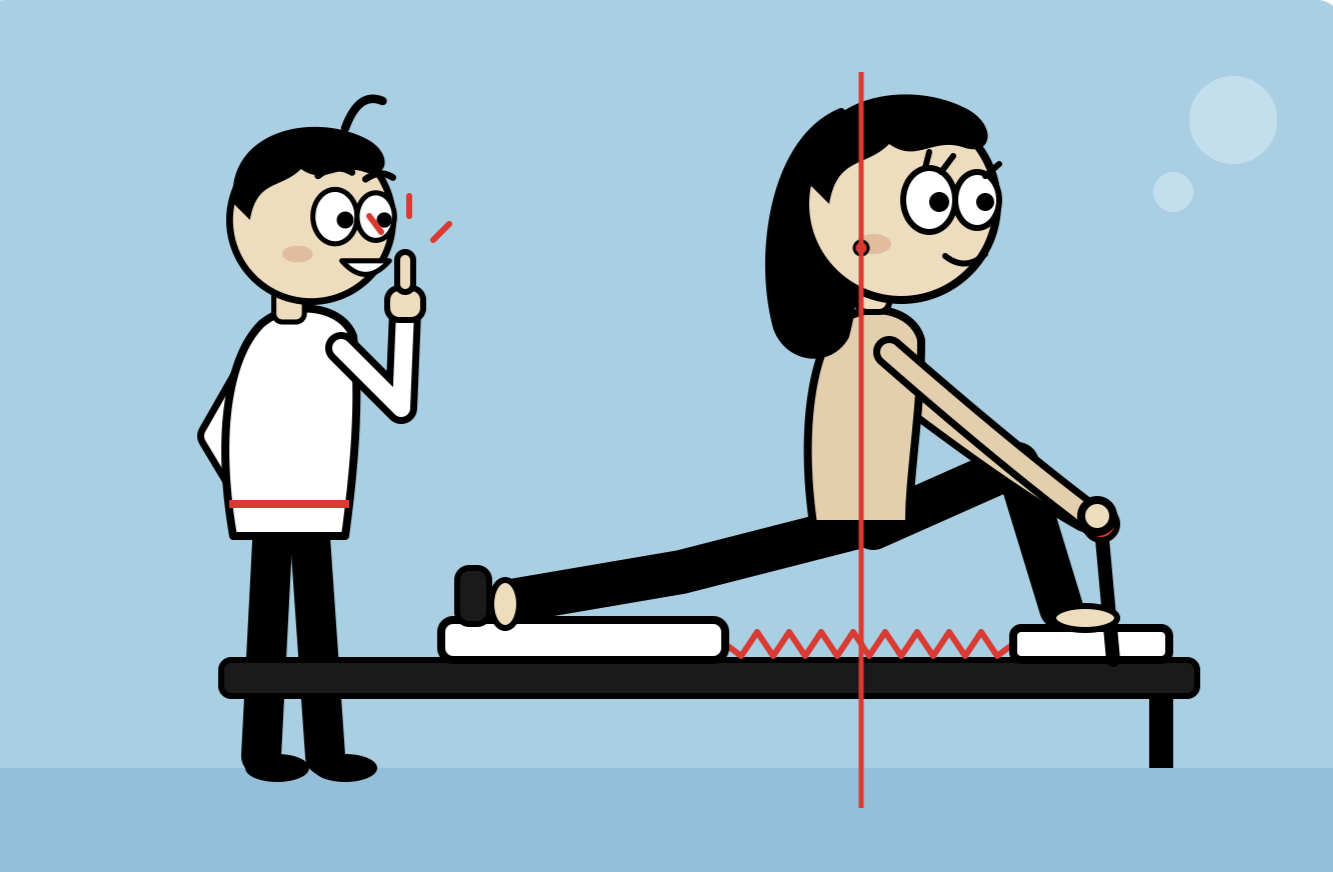
The Reformer gives us a place to explore movement.
It can provide:
RESISTANCE. SUPPORT. FEEDBACK. ASSISTANCE. INSTABILITY. CHALLENGE.
We can change the demand, change the support and see how your body responds.
That's what makes the Reformer such a useful teaching tool.
THE REFORMER IS NOT THE DESTINATION.
What matters is what you take with you when you step off.
READY TO EXPERIENCE HOW WE TEACH?
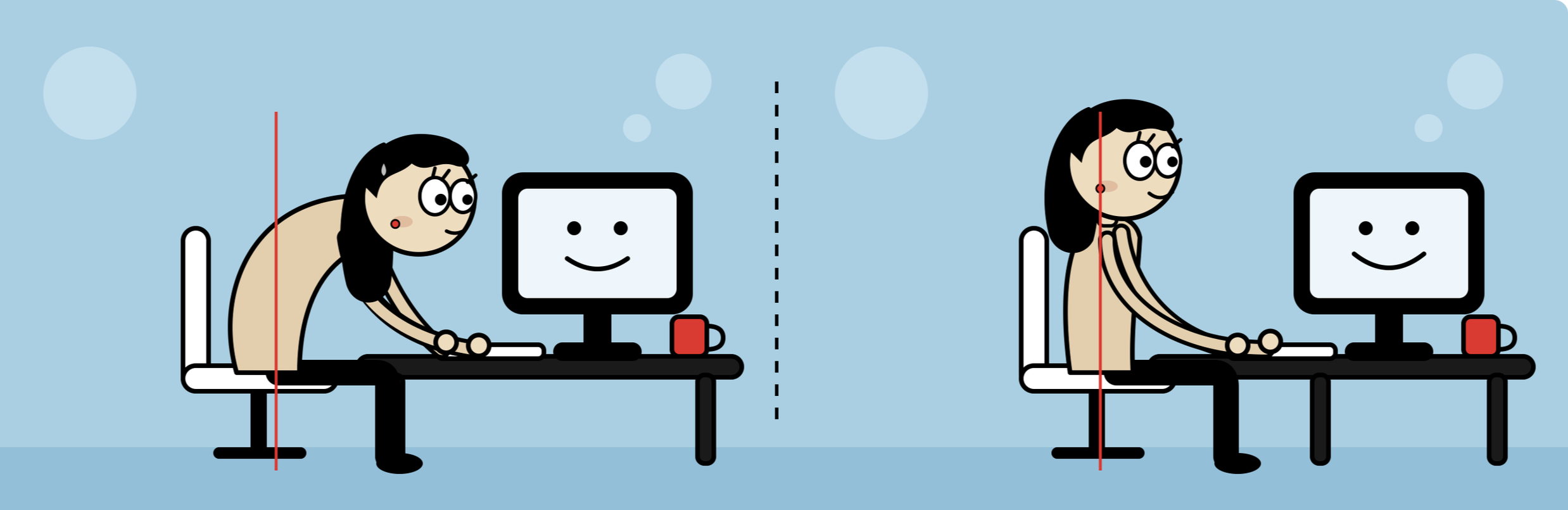
You don't need to know Pilates.
You don't need to be strong or flexible.
You don't need to know what you're supposed to be doing.
We'll start with where you are.
Your first Reformer 101 is complimentary. No experience required. No pressure to join.