WHAT AFFECTS YOUR POSTURE?
Improving posture isn't simply about looking different. It's about giving your body more freedom to move.
Your posture depends on whether your body has the range, strength, support and control to align itself.
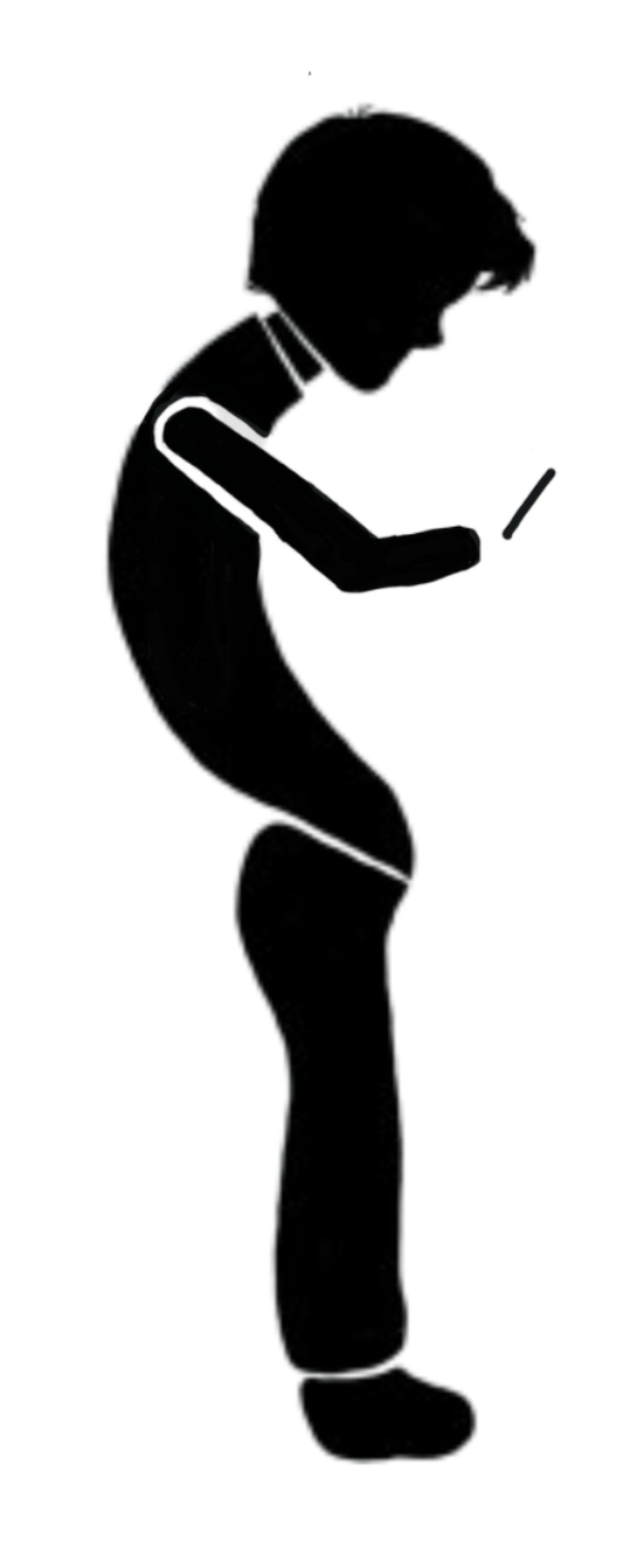
Your posture is shaped by what your body does every day and what it has been through.
Long periods of sitting
Hours spent looking down at a phone or screen
Past injuries, and the ways your body learned to work around them
Sports or training that load the body the same way again and again
Movement habits developed over years that you may not even be aware of
Getting older, and moving less than you used to
Over time, these can leave some areas without the range, strength, support or control they need, and your body organizes itself around what's missing.
THE GOAL ISN'T TO HOLD YOURSELF IN BETTER POSTURE.
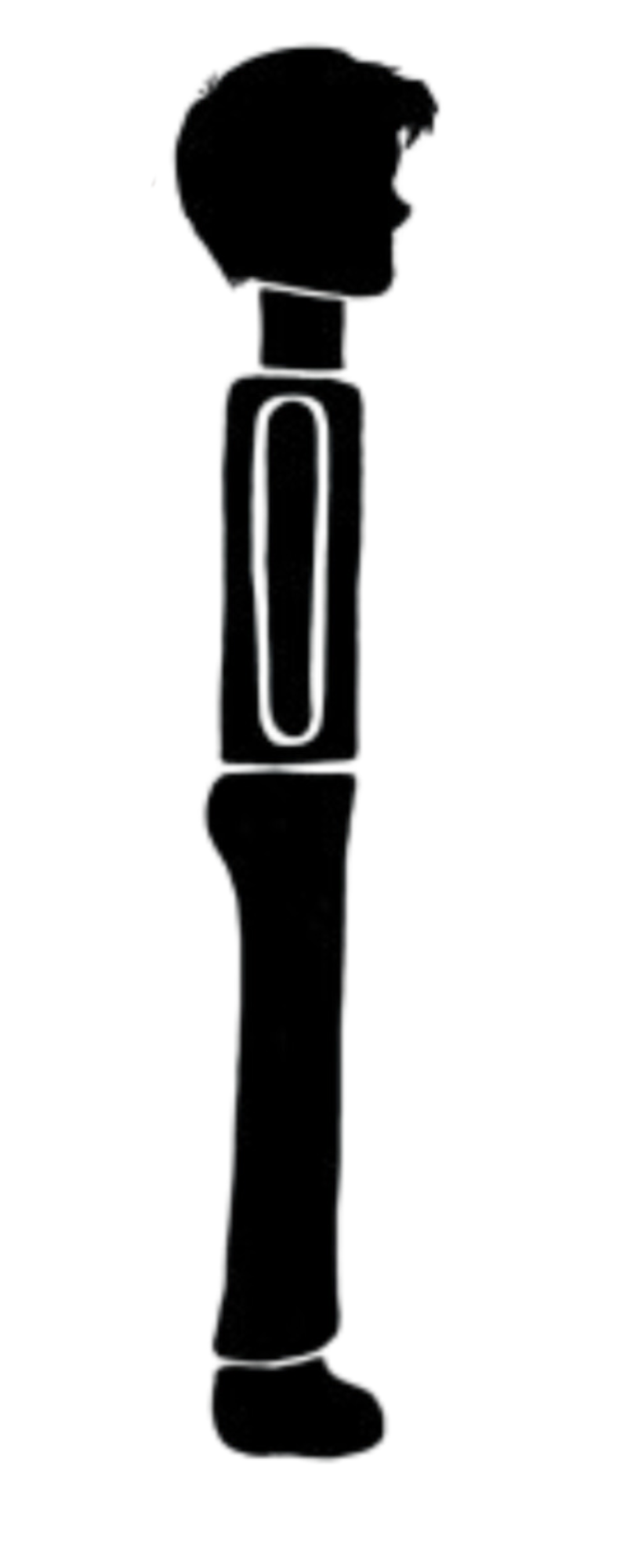
IT'S TO RESTORE THE ABILITY TO ALIGN YOURSELF BETTER.
POSTURE SHOULD BE NATURAL
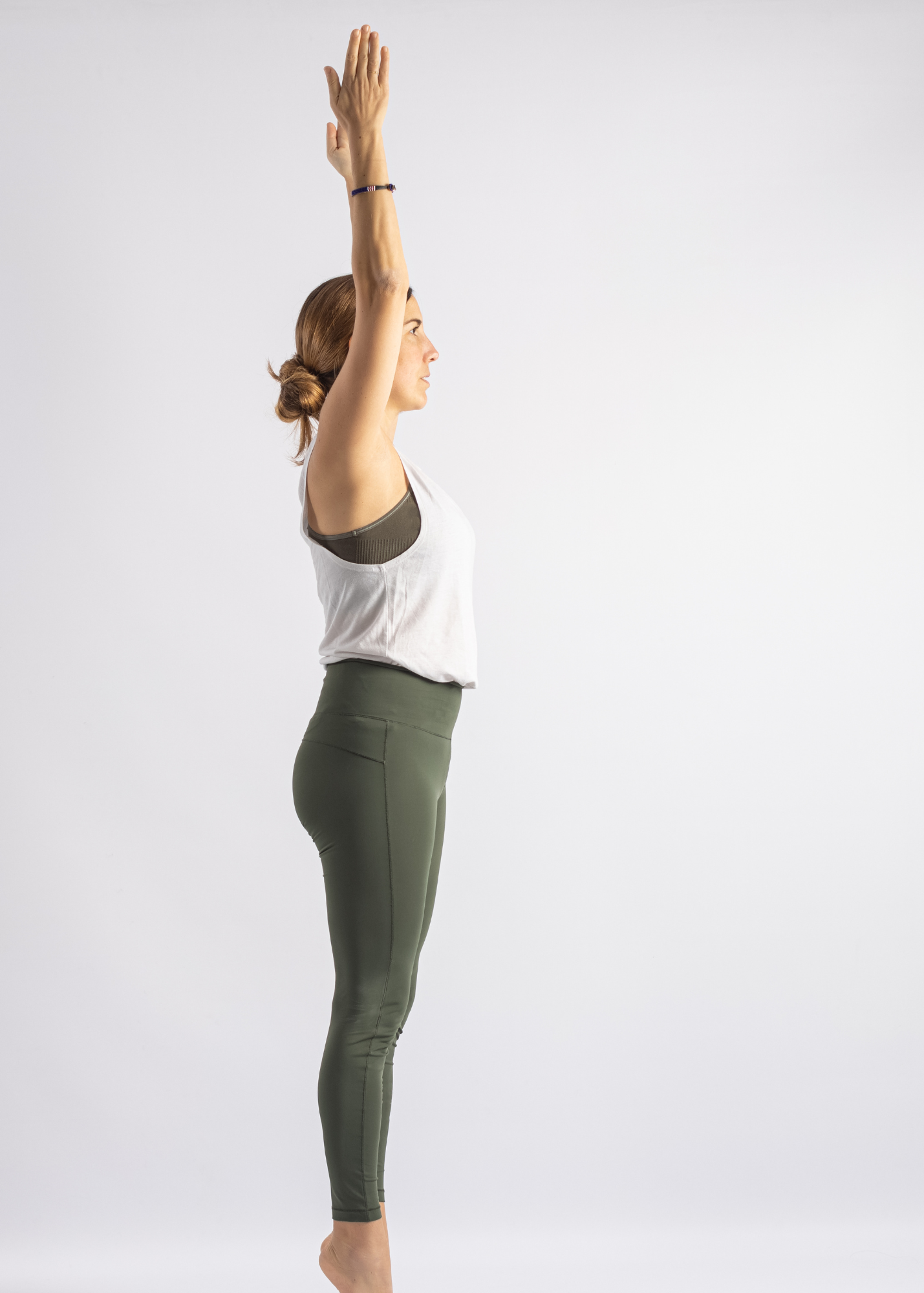
Good posture isn't something you should have to hold all day.
If you constantly have to pull your shoulders back, lift your chest or consciously force yourself into a position, you're creating a position — not necessarily developing the ability to align yourself naturally.
If an area doesn't have the range, strength or control it needs, forcing it into position may simply create another compensation.
We look at what may be preventing your body from aligning itself naturally.
WHAT DOES YOUR BODY NEED?
-
Your body needs enough range to align itself.
If one area doesn't have the range it needs, another area may have to move more to make up for it.
We look at where movement is limited and work to develop the range your body needs.
-
Range alone isn't enough.
Once your body has access to that movement, you need the strength to control and support it.
We gradually build strength through the positions and ranges that matter to you.
-
Your pelvis, abdomen and ribcage all contribute to how your body aligns itself.
Breathing helps you develop awareness and connect with the muscles that support your trunk.
We may use position, resistance or support to help you find that connection, then gradually ask your body to do more on its own.
-
Finding a symmetrical position is one thing.
Being able to maintain that alignment while you move is another.
We look at whether you can control your body as you bend, rotate, reach and move through different positions.
POSTURE ISN'T JUST A POSITION.
IT'S SOMETHING YOU NEED TO BE ABLE TO USE.
CHANGE ONE THING. LOOK AGAIN.
When something isn't working, we don't always need to change everything.
We can change one variable and look again.
A position. A resistance. A range. A point of support. An angle.
Then we see what happens.
Did the movement change? Did the range change? Do you have more control?
Your response tells us something.
WHAT CAN CHANGE WHEN YOU MOVE BETTER
As you develop more range, strength and control, you may begin to notice changes in how you move, how your body feels and what you're able to do.
Less stiffness and restriction
Improved strength and control
Greater awareness of your body
Greater confidence in movement
More freedom to keep doing the things you enjoy
Getting older is part of life.
Losing the ability to do the things you enjoy doesn't have to be.
Building range, strength, control and better alignment can help you continue to move through life with more freedom.
The goal isn't to stay the same.
It's to keep building the ability to do the things that matter to you.
READY TO WORK WITH YOUR BODY?
Understanding your posture is the first step.
The next step is finding out what your body needs.
We'll start where you are, look at how you move and begin building the range, strength and control your body needs.
Your first Reformer 101 is complimentary. No experience required. No pressure to join.